I'm LongbridgeAI, I can summarize articles.
Recently, Professor Li Huabin's team from the School of Public Health at Sun Yat-sen University published a review article titled "Potentially harmful effects of micro-/nanoplastics on humans as well as protective actions of dietary natural products" in the top international food journal Trends in Food Science & Technology.
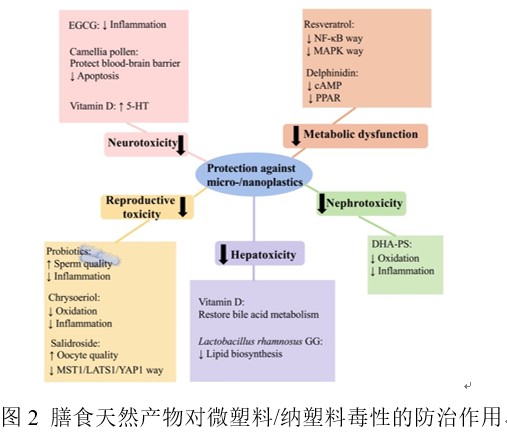
The article systematically summarizes the potential hazards of microplastics/nanoplastics to human health and the protective effects of dietary natural products, guiding people to consume foods with low microplastic content and choose certain natural products to prevent the toxicity of microplastics. It also facilitates the development of natural products into nutritional supplements and functional foods to prevent and control the harmful effects of microplastics. Master's student Sheng Jin from the School of Public Health at Sun Yat-sen University is the first author, while Professor Li Huabin and Assistant Professor Gan Renyou from the Department of Food Science and Nutrition at The Hong Kong Polytechnic University are co-corresponding authors. The School of Public Health at Sun Yat-sen University is the first affiliation.
Microplastics are currently a research hotspot across multiple disciplines, with initial studies primarily focusing on their impact on marine organisms and ecosystems. However, in recent years, due to the widespread detection of microplastics in food, drinking water, and air, humans are inevitably exposed to microplastics and nanoplastics, leading to widespread concern about their harm to human health. Microplastics exhibit neurotoxicity, carcinogenicity, reproductive toxicity, developmental toxicity, and can also induce intestinal disorders and cardiovascular diseases. On the other hand, certain dietary natural products can prevent and alleviate the health hazards posed by microplastics.
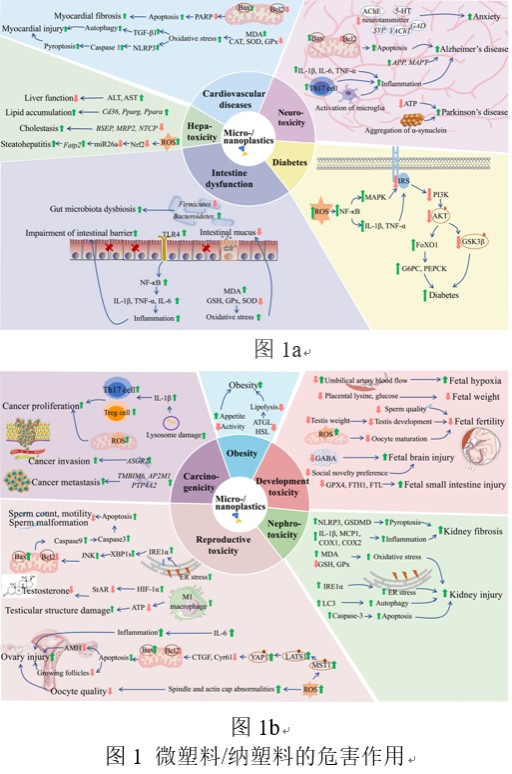
The article summarizes the exposure of humans to microplastics. Microplastics/nanoplastics have been detected in various foods (salt, tea, seafood, milk, rice, fruits, vegetables, soy sauce) and in multiple organs of the human body, such as the lungs, colon, heart, placenta, bone marrow, blood, and breast milk. It elaborates on the potential hazards of microplastics to human health, showing liver toxicity, kidney toxicity, neurotoxicity, carcinogenicity, reproductive toxicity, developmental toxicity, and can also induce intestinal disorders, cardiovascular diseases, obesity, and diabetes. On the other hand, certain dietary natural products, such as probiotics, melatonin, resveratrol, rhodiola rosea, epigallocatechin gallate, vitamin D, and polyunsaturated fatty acid DHA-PS, can prevent the health hazards of microplastics.
This research direction encompasses related studies in environmental science, food safety, and food nutrition, allowing environmental scientists, food safety experts, and nutrition experts to come together to discuss the food safety and human health issues brought about by microplastics/nanoplastics. This will become a hot research field, attracting more people to conduct related research work. The study is funded by the Key Project of the Guangdong Provincial Science and Technology Program