

Not Tesla. Not Nvidia. Elon Musk's Chip Ambitions Could Supercharge This Artificial Intelligence (AI) Stock.
 I'm LongbridgeAI, I can summarize articles.
Elon Musk's Terafab project, a joint venture between Tesla and SpaceX to manufacture advanced AI chips in Texas, could significantly benefit Intel. Intel's confirmed participation offers its foundry business a chance to prove its manufacturing capabilities to high-profile customers, potentially transforming its position in the AI infrastructure era despite current operational losses.
Elon Musk has his eyes set on something that even the world's largest technology companies have struggled to accomplish: Manufacture advanced artificial intelligence (AI) chips at an unprecedented scale. Surprisingly, Intel (INTC -3.20%) could emerge as one of the biggest beneficiaries of this vision.
Musk's Terafab project brings together Tesla (TSLA -1.22%) and Space Exploration Technologies (SPCX +0.52%) in an effort to reduce outside dependence on semiconductor manufacturing. For a company trying to turn around its foundry leadership, investors may be underestimating how this could transform Intel in the AI infrastructure era.
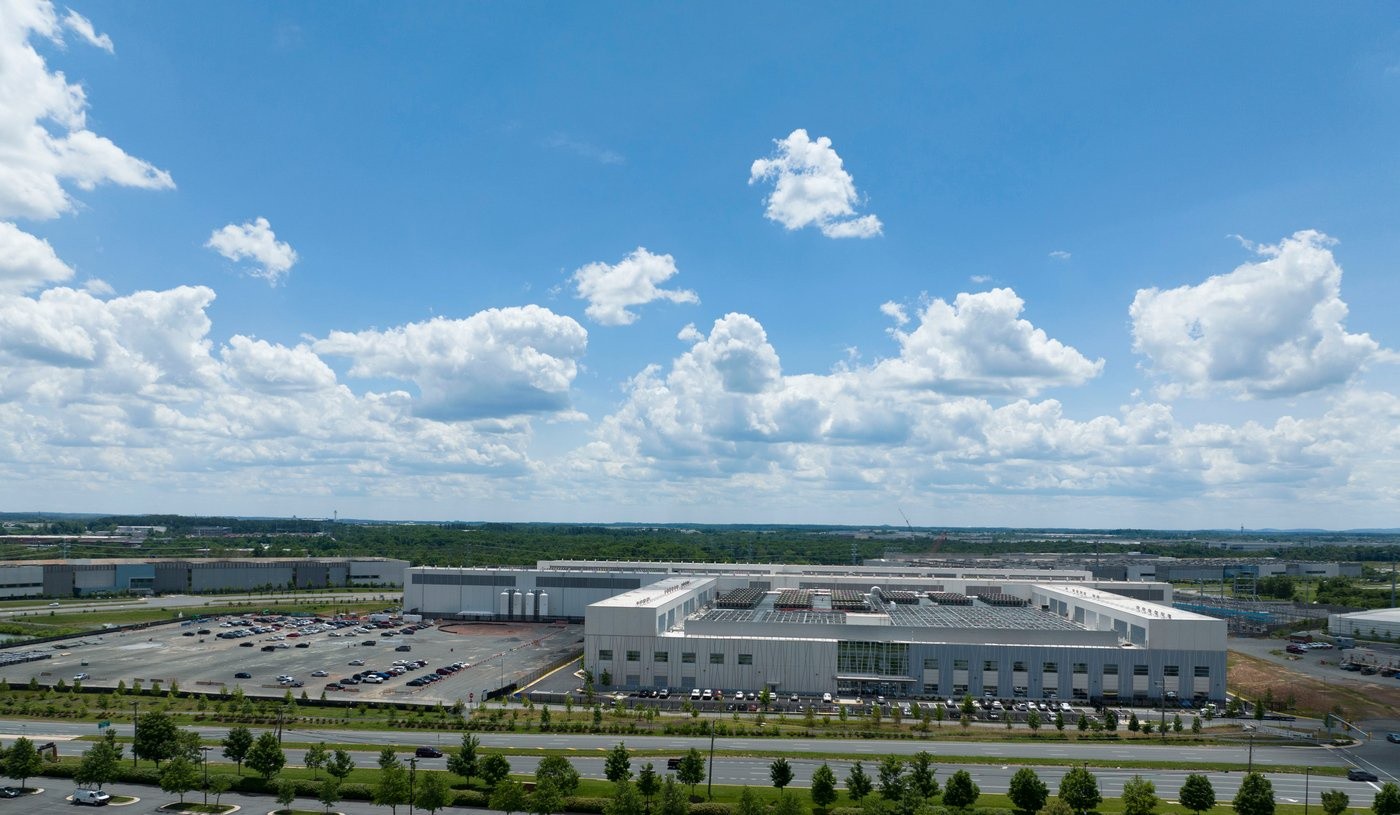
Image source: Getty Images.
What is Terafab?
Terafab is a proposed semiconductor manufacturing facility in Grimes County, Texas. So far, Tesla and SpaceX have committed initial investments of $16.8 billion for the first phase of the project. Terfab's goal is to stitch together chip design, advanced logic and memory manufacturing, and semiconductor packaging within a vertically integrated operation.
Musk's long-term goal is to produce enough annual chip production to support 1 terawatt of computing power. Terafab aims to produce two categories of processors. The first will power Tesla's autonomous vehicles, Optimus humanoid robots, and other AI applications operating here on Earth. The second is meant to support SpaceX's plans for space-based data centers.
Intel could be the hidden winner of Terafab
In April, Intel's participation in Terafab was confirmed, positioning its manufacturing expertise and advanced semiconductor technologies alongside Musk's grand plans. The company has been developing its 18A and 14A manufacturing processes, which are central to its effort to compete with Taiwan Semiconductor Manufacturing's leading foundry capabilities.
Intel's foundry business stands to benefit enormously from securing a high-profile customer with substantial long-term chip requirements. More importantly, there is already some encouraging evidence of improving execution.
During the second quarter, Intel Foundry generated $5.8 billion in revenue, although most of that came from manufacturing chips for Intel's own products. External foundry revenue was only $293 million, and the division reported an operating loss of approximately $2.1 billion as a whole.
This is why Terafab matters so much. If Intel can prove that its technology meets Musk's requirements, it could strengthen credibility with other AI chip designers. Given the nascent nature of the project, Intel's potential manufacturing volumes and financial impact remain highly uncertain. Nevertheless, the company possesses something valuable: an opportunity to demonstrate that its foundry technology belongs in the same conversation alongside other industry leaders.

NASDAQ: INTC
Key Data Points
Is Intel stock a buy?
Terafab represents something different for various companies. For Tesla and SpaceX, it could reduce dependence on outside chip suppliers and support AI-driven growth across autonomous driving and robotics. For Nvidia, it introduces another potential source of competition as more companies develop custom silicon.
For Intel, the implications could be transformational. Intel does not need to displace Nvidia as the leading AI accelerator designer. Rather, the company is positioned to profit by helping other companies manufacture their chips. This is an attractive position to be in during an era when AI infrastructure spending continues to accelerate.
Still, in the long run, Intel will have to improve manufacturing yields, control capital expenditures (capex), attract additional external customers, and eventually turn its foundry operations profitable. Working on Terafab alone won't accomplish these objectives collectively.
For now, I see Intel stock as a speculative buy for investors comfortable with execution risk, understanding Terafab's eventual financial contribution remains uncertain. The bigger thesis is that Intel could become an attractive alternative to Taiwan Semi as demand for advanced AI chip manufacturing grows.