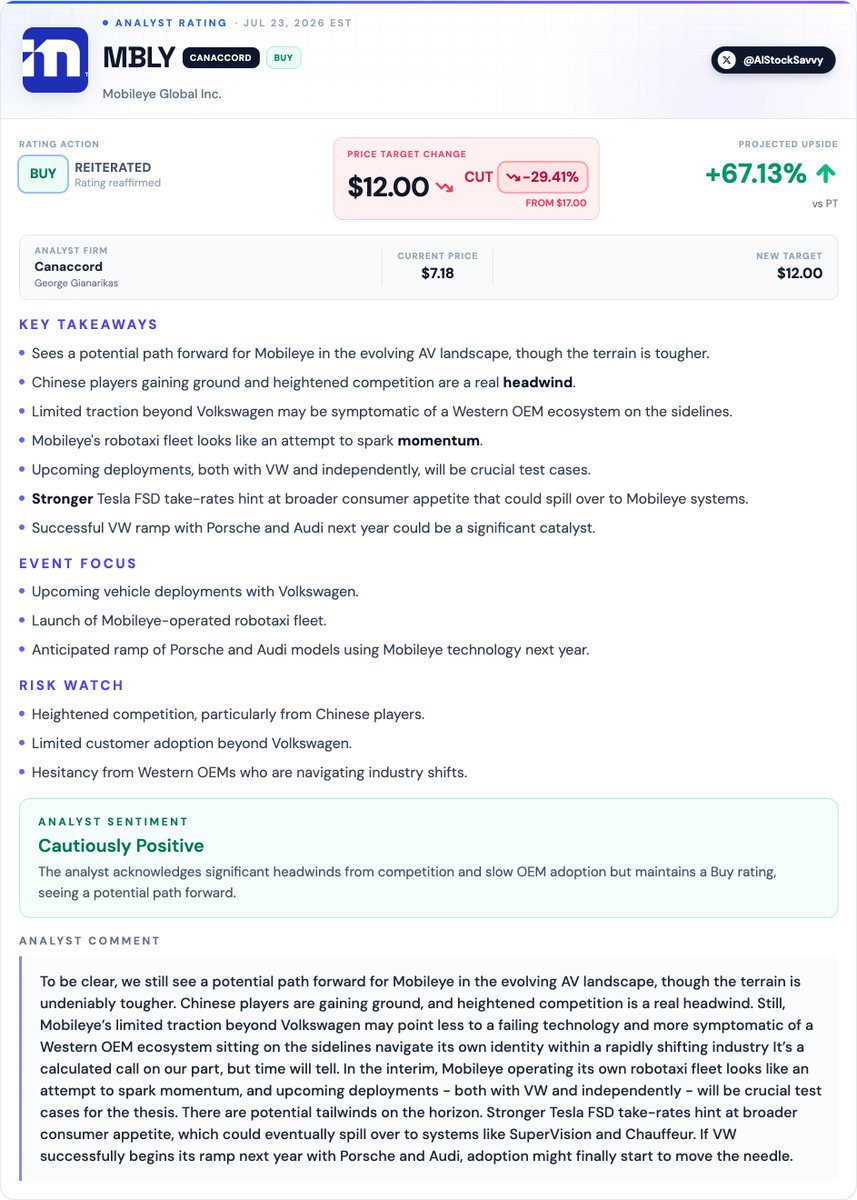
$Mobileye Global(MBLY.US) | Canaccord maintains 𝐁𝐮𝐲 on 𝐌𝐨𝐛𝐢𝐥𝐞𝐲𝐞, 𝐜𝐮𝐭𝐬 𝐏𝐓 𝐭𝐨 $𝟏𝟐 𝐟𝐫𝐨𝐦 $𝟏𝟕
Analyst sees a tougher but viable path for Mobileye, with upcoming VW deployments and robotaxi fleets being crucial tests amid rising competition.
Volkswagen
VWAPY----
Share your thoughts
Write something you'd like to share with our community...
- D

XPEV (1Q26 Trans): Humanoid robot to begin mass production by year-end
Q2 overall GPM is expected to be roughly flat vs. Q1. Approx. 20.6%.
 XpengConference Minutes
 - D
XPEV: Inflection Point in Sight — Does the 'Eastern Tesla' Story Still Have Legs?
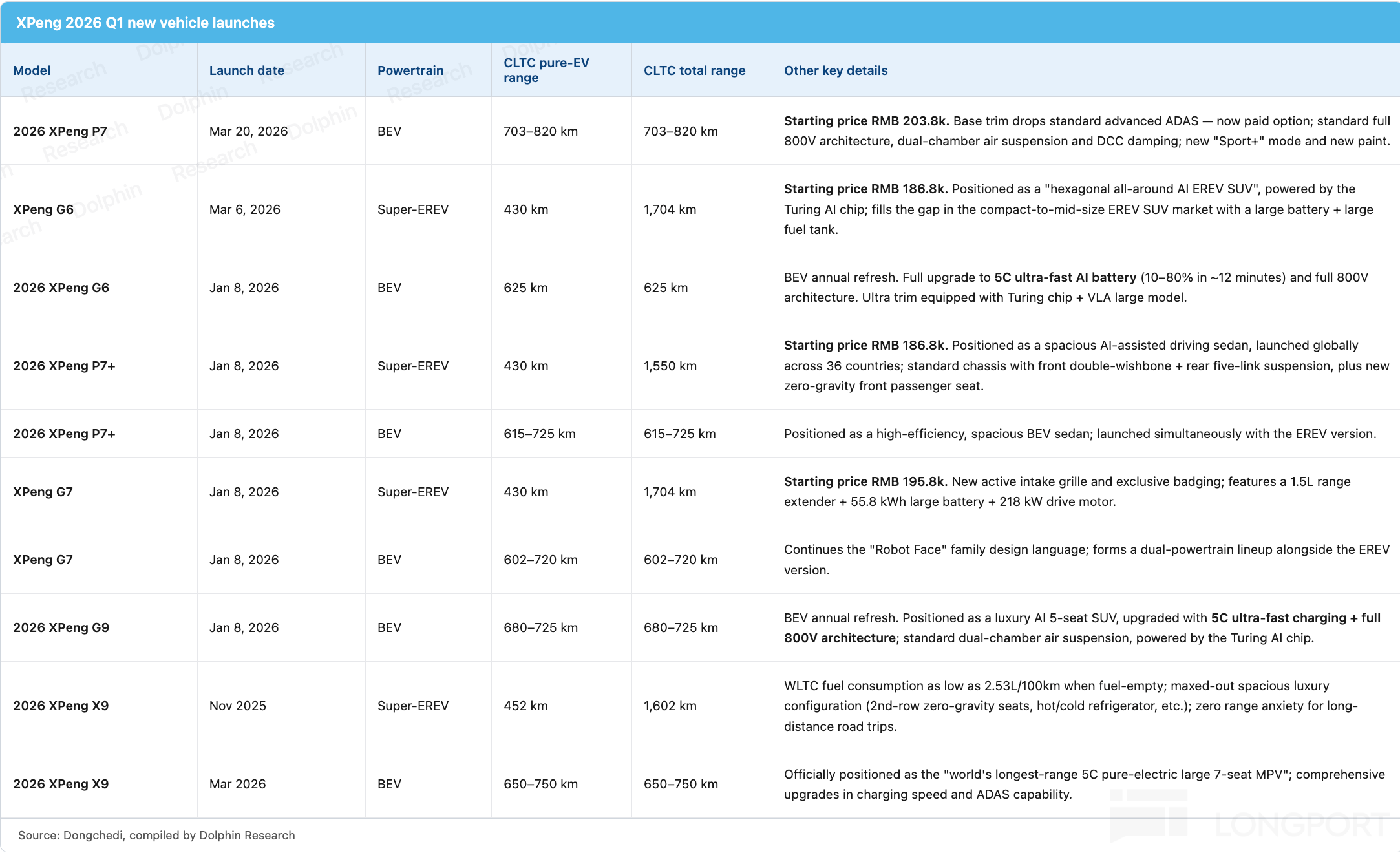
New-vehicle Cycle: Early Inflection
 +10XpengFinancial Analysis
 - D
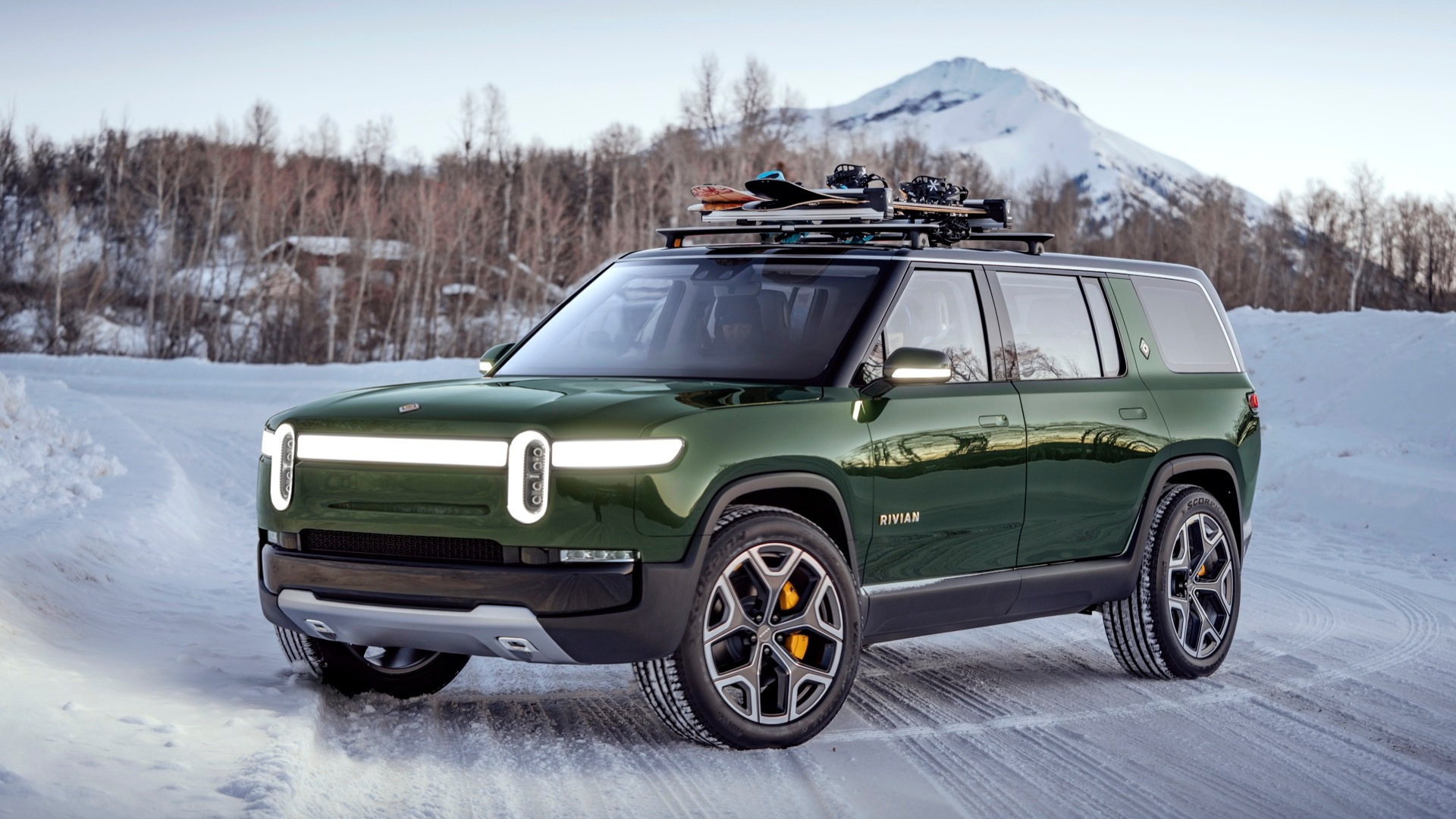
RIVN (1Q26 Trans): R2 deliveries back-end loaded; R2 and overall auto biz GPM to turn positive in Q4
R2 mass production will start on a single shift, with expansion to two shifts expected by end-2026. The Normal plant's 'North Star' target is to reach 4,000 units/week profitably.
 RivianConference Minutes
 - D
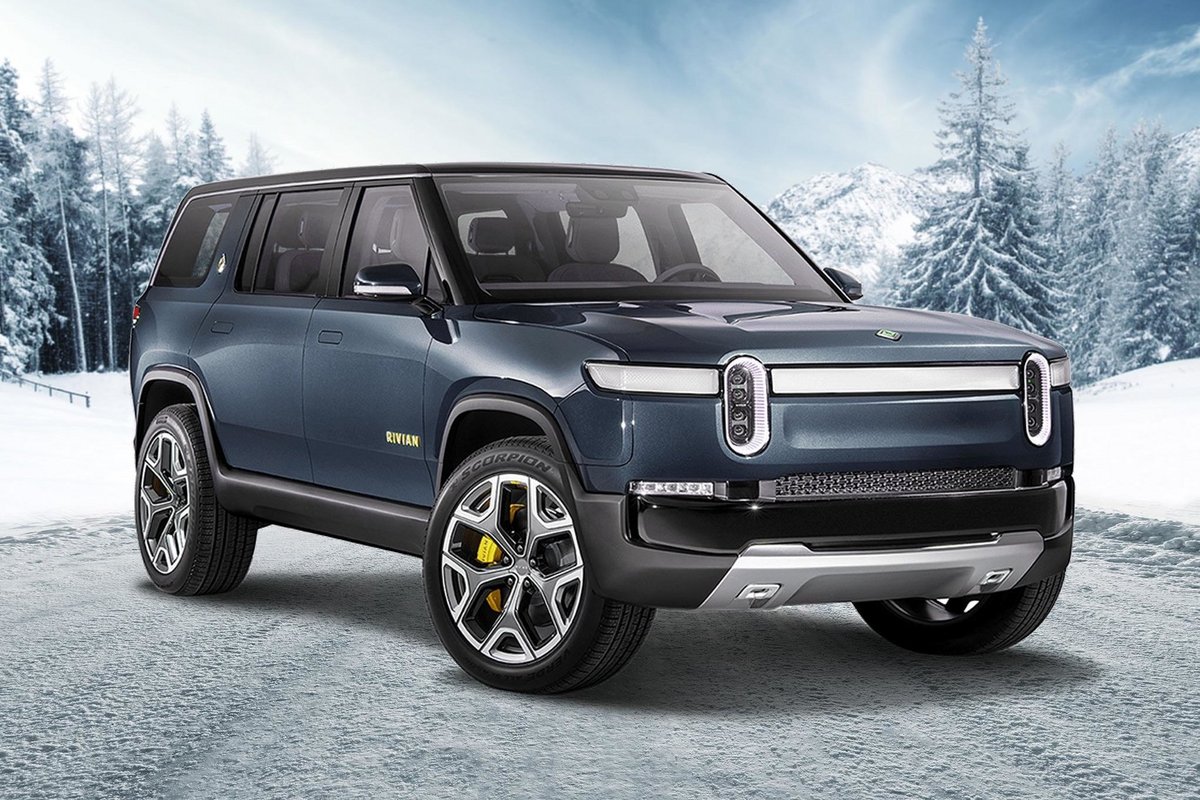
RIVN: Pain Now—Can R2 Drive a Turnaround?
The key inflection for volume comes in Q4 2026. GPM is set to inflect then as well.
+6
RivianFinancial Analysis - M

$Alibaba(BABA.US) is integrating its Qwen AI into cars from partners including BYD, Geely, Li Auto, and the SAIC-Volkswagen joint venture. Debuted and highlighted at the Beijing Auto Show, the voice AI enables in-car capabilities like food ordering, hotel bookings, and payments.
@Bridge Buzz SG
 Trade Showcase: Trade, Show & Earn Rewards!
 - D
XPEV (4Q25 Trans): Iron robot targets >1,000 units/month by end-2026---
2026 overseas delivery target to double YoY.
Intl revenue to account for over 20% of total.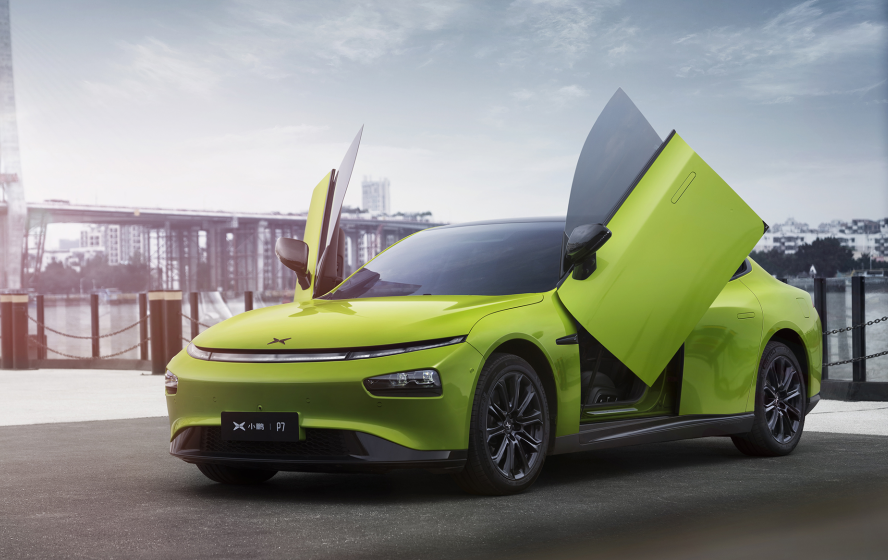 XpengConference Minutes
 - D
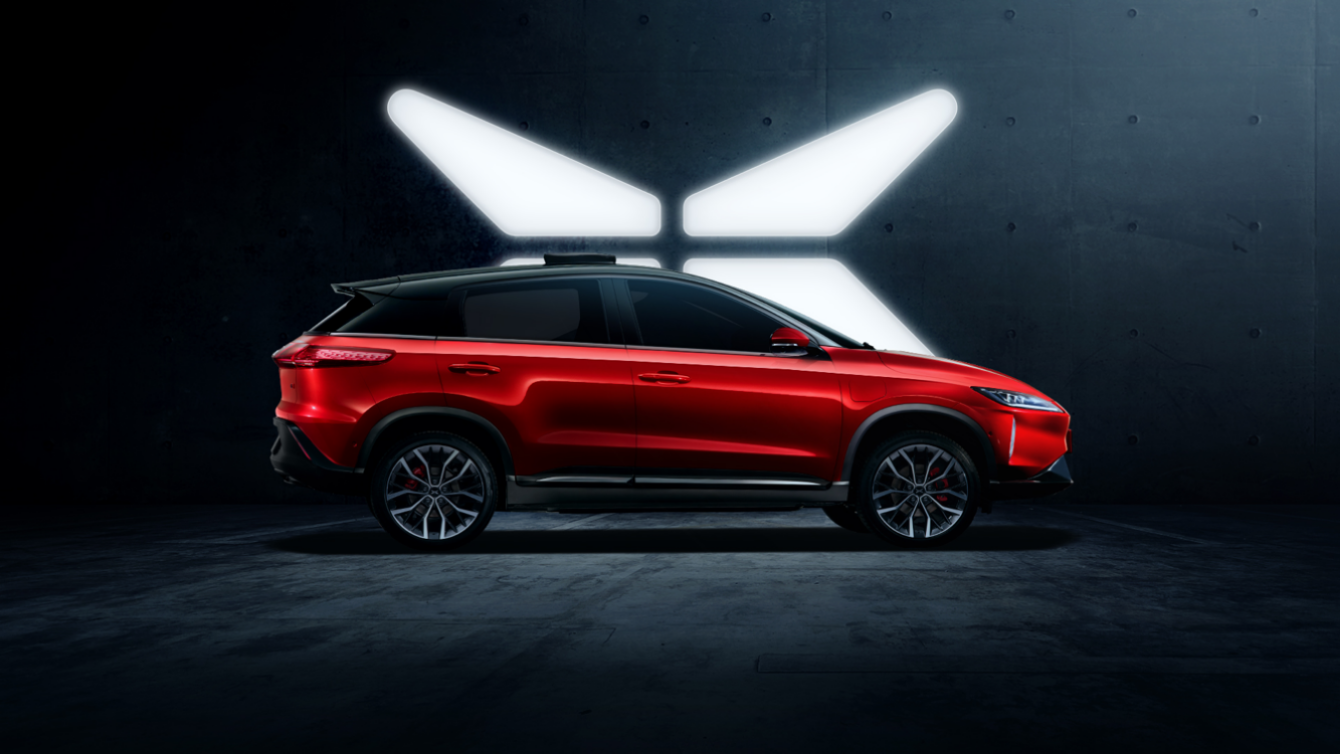
XPEV: All Hype, No Profits — Still the 'Tesla of the East'?---
Q4 core auto biz: revenue up, no profit improvement.
+7
XpengFinancial Analysis - D
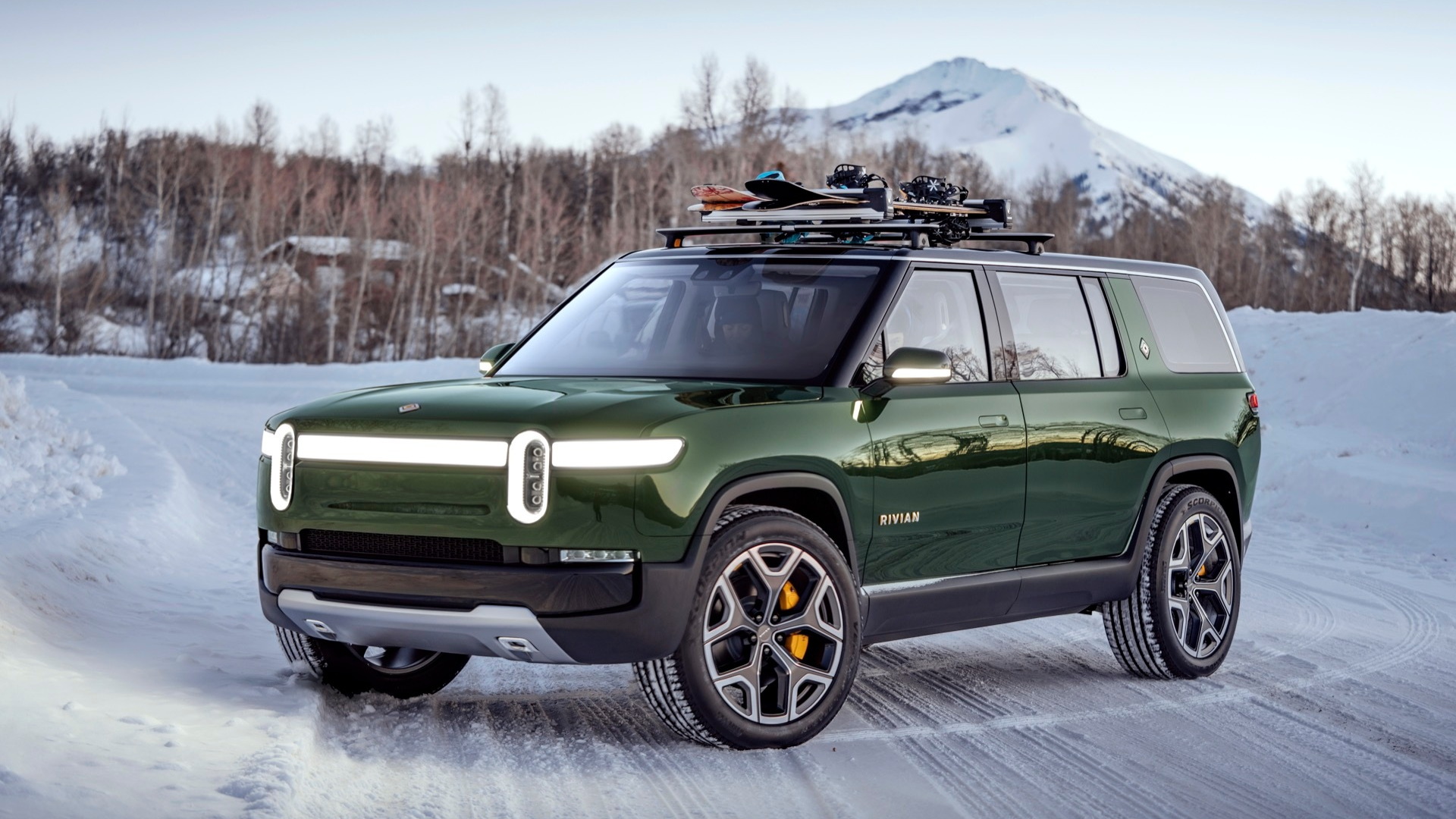
RIVN (4Q25 Trans): All-in on R2 and AD, Can It Mount a Comeback?
We are highly confident in R2 demand. The order backlog is substantial.
 RivianConference Minutes
 - D
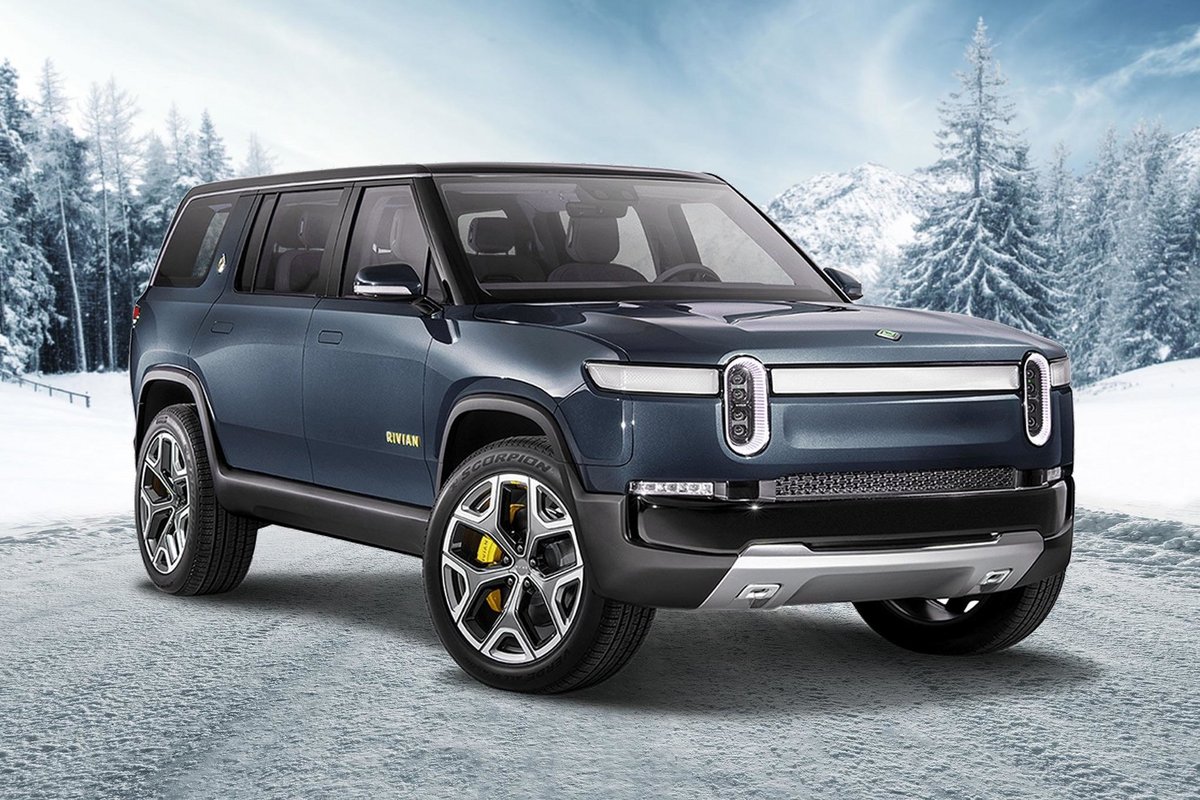
RIVN: Post-subsidy era — can R2 lead a turnaround?---
2026 sales guidance beats expectations
+3
RivianFinancial Analysis - D
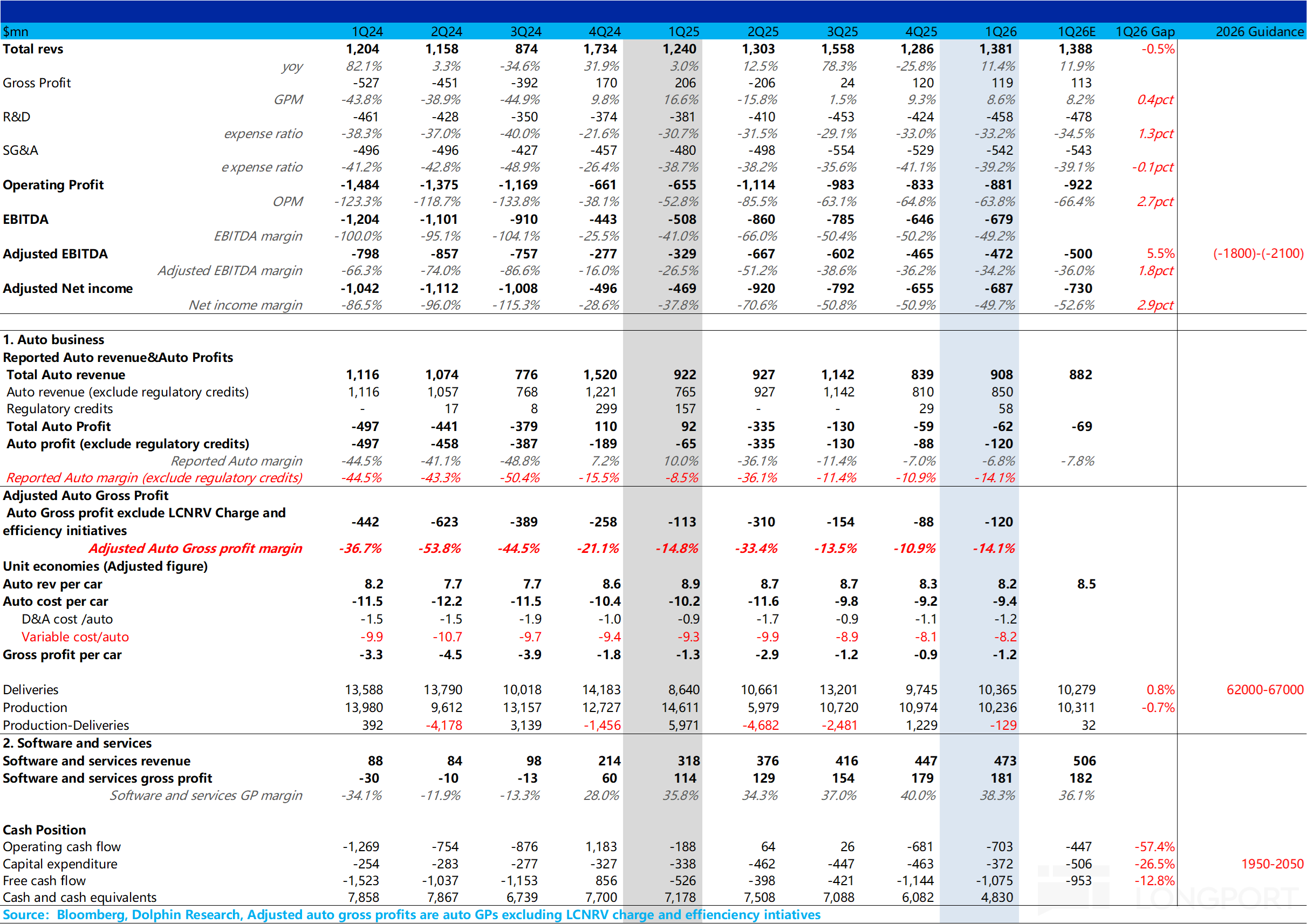
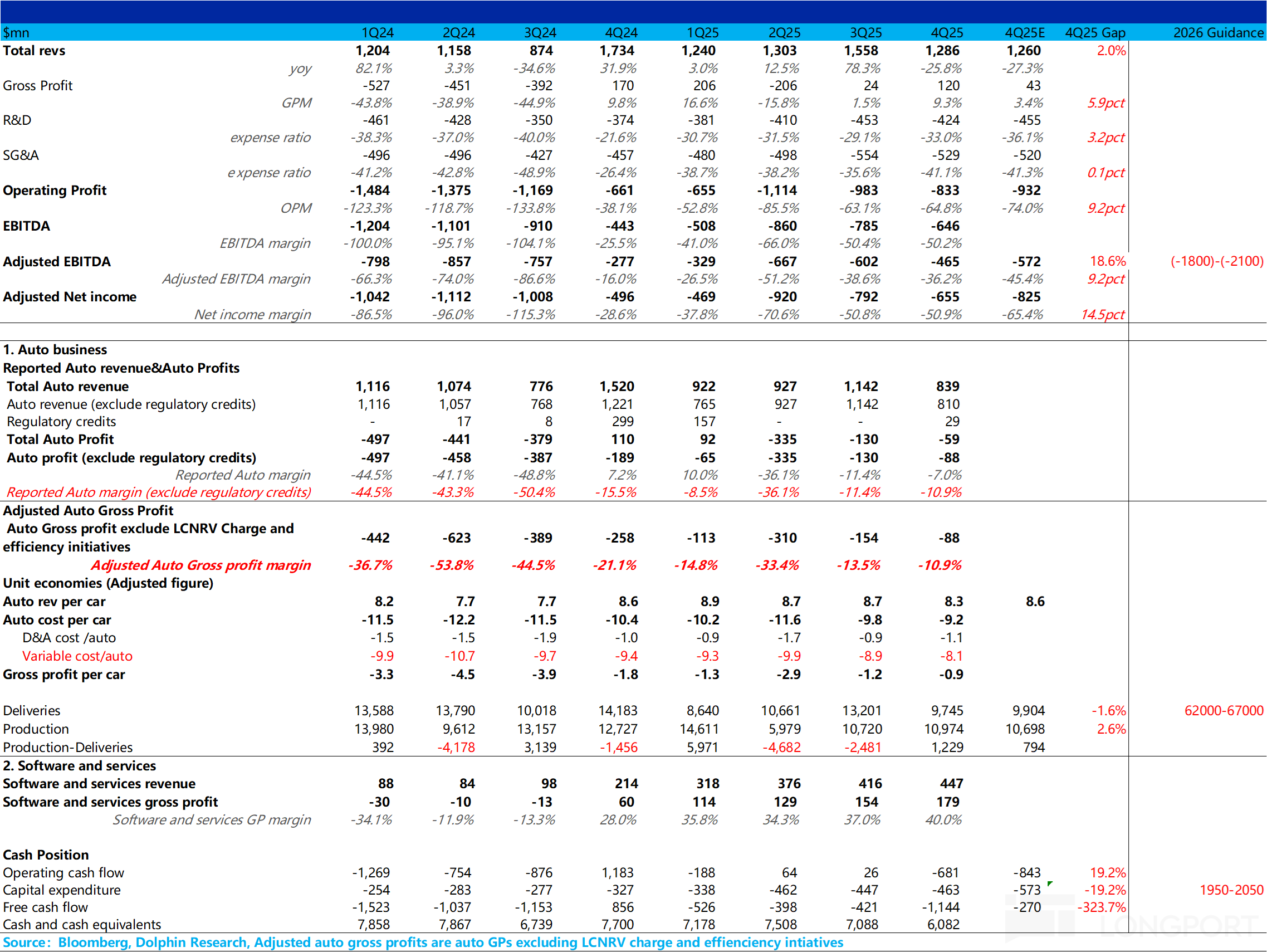
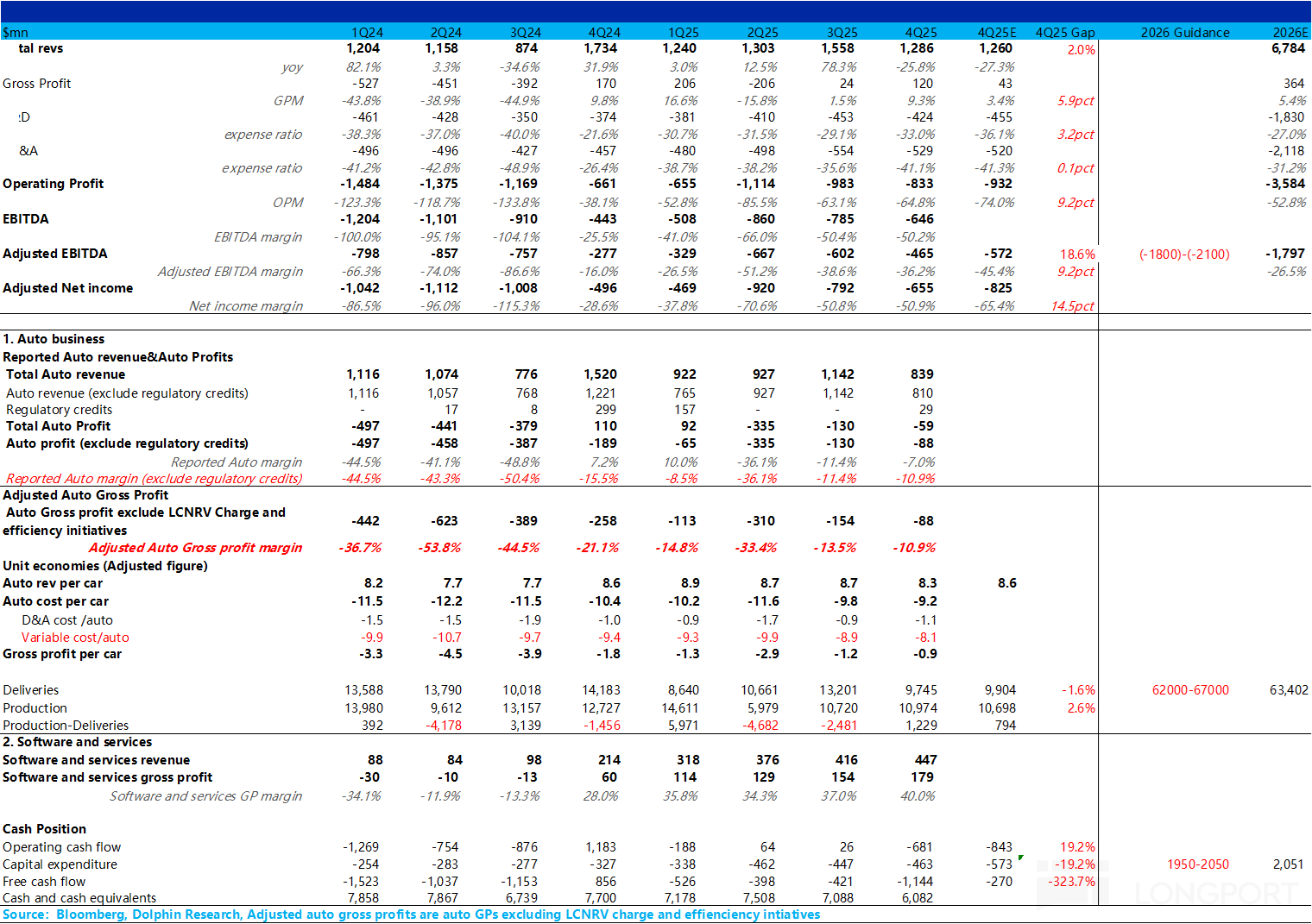
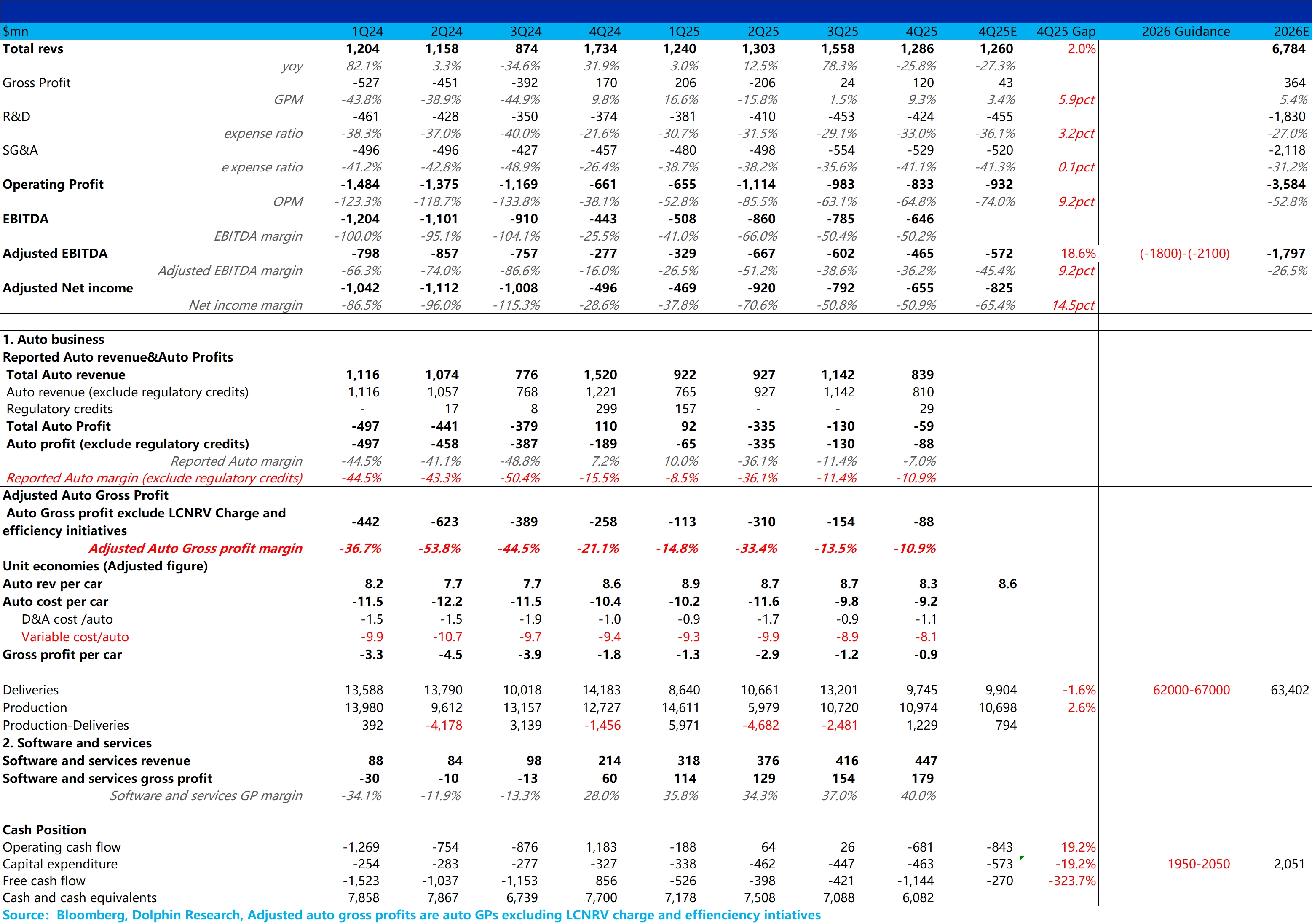
Rivian 4Q25 First Take: off a low bar, Rivian delivered a solid print. With U.S. demand pressured by IRA subsidy step-downs, industry-wide deliveries were soft (incl. Tesla). Even so, Rivian beat on the headline numbers and improved QoQ.
Specifically, the takeaways are as follows. See below.
Revenue slightly beat, mainly on stronger-than-expected service revenue tied to the Volkswagen partnership. Vehicle ASP was $83k vs. the $86k consensus, likely on a higher mix of lower-priced EDVs.
More notably, gross margin kept improving QoQ despite weak sell-through, rising 780bps QoQ to 9.3%. That was well above the Street’s 3.4% expectation, driven primarily by higher vehicle GM.
4Q vehicle GM was -7%, up 440bps QoQ; ex carbon credits, vehicle GM was -11%. Lower per-unit variable costs (ongoing cost-downs and easing tariff headwinds) offset ASP pressure and higher per-unit overhead absorption.
With a top-line beat, QoQ margin expansion, and disciplined opex, Adj. EBITDA and net loss both came in better than expected. Both topped estimates.
Beyond the print, investors focused on Rivian’s 2026 guidance. This drew the most attention.
1) Deliveries guided to 62k–67k, up 47%–60% vs. 2025’s 42k. The ramp and launch of R2 in 2026 are the key drivers of the volume uplift.
Dolphin Research notes the market had been cautious on R2 volumes, with IRA subsidy step-downs still weighing on 2026 demand. Major banks were modeling only ~47k–50k units for 2026, so Rivian’s guidance well above that helped ease concerns.
2) Adj. EBITDA guidance of -$1.8bn to -$2.1bn (vs. 2025’s -$2.06bn), below the Street’s -$1.8bn. Likely headwinds include margin drag from R2 during its ramp and increased investment in autonomous/AD capabilities, limiting profit improvement despite higher volumes.
3) Capex guided at $1.95bn–$2.05bn, above 2025’s $1.7bn. The step-up is mainly for the Georgia plant (R2 capacity expansion and R3 production). $Rivian Automotive(RIVN.US)
- D
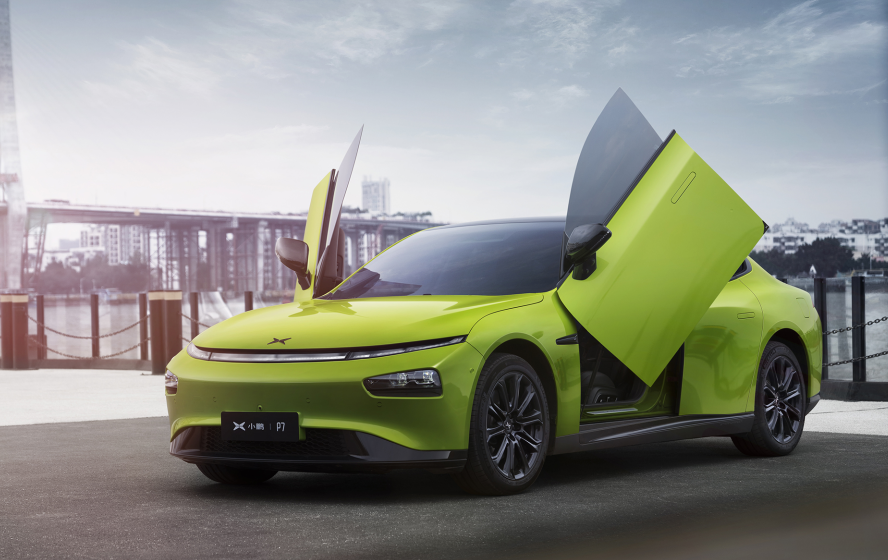
XPeng (3Q25 Minutes): Launching seven 'dual-energy' models by 2026
Achieving annual sales of one million humanoid robots by 2030 is our long-term goal.
 XpengConference Minutes
 - D
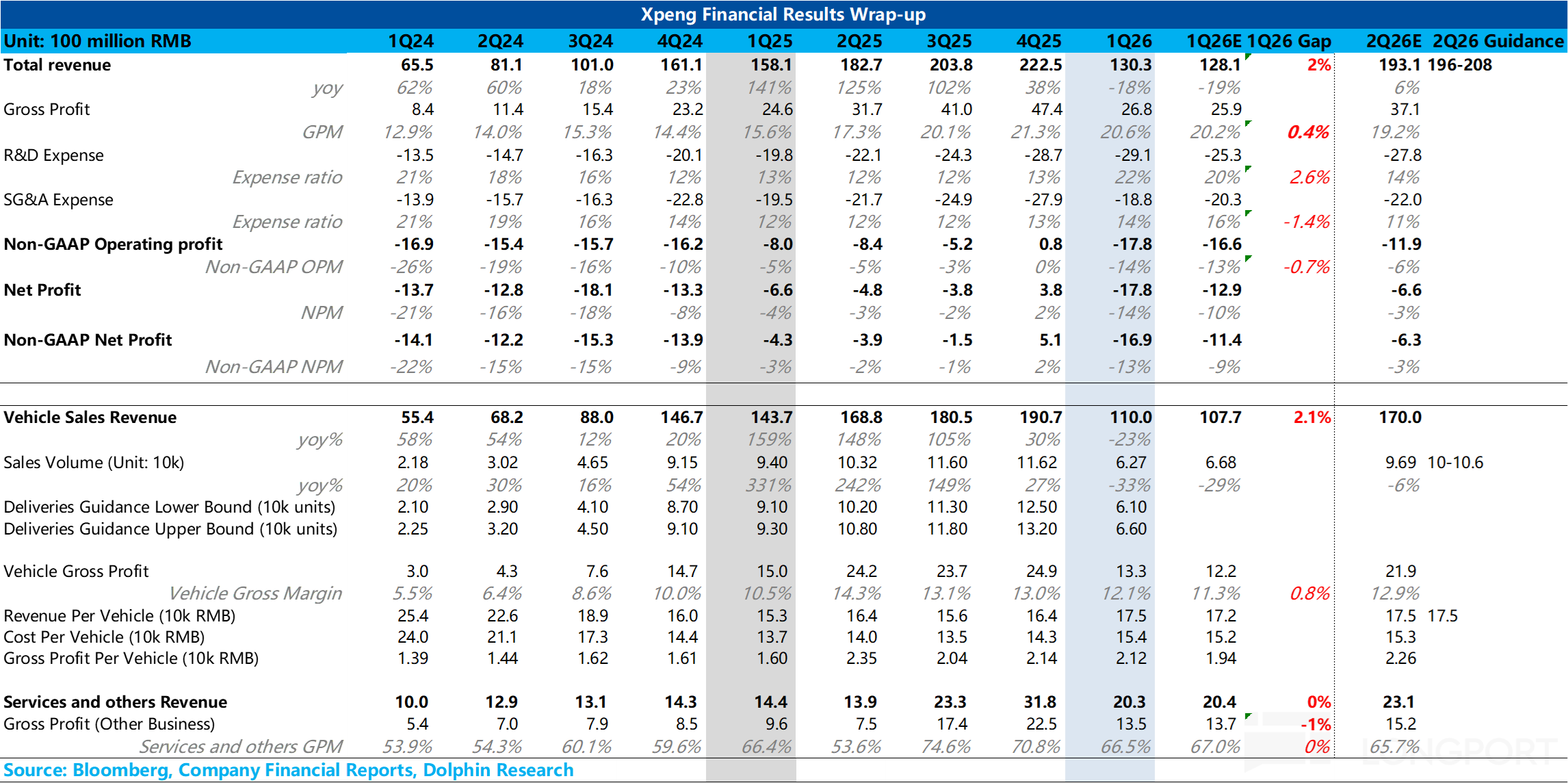
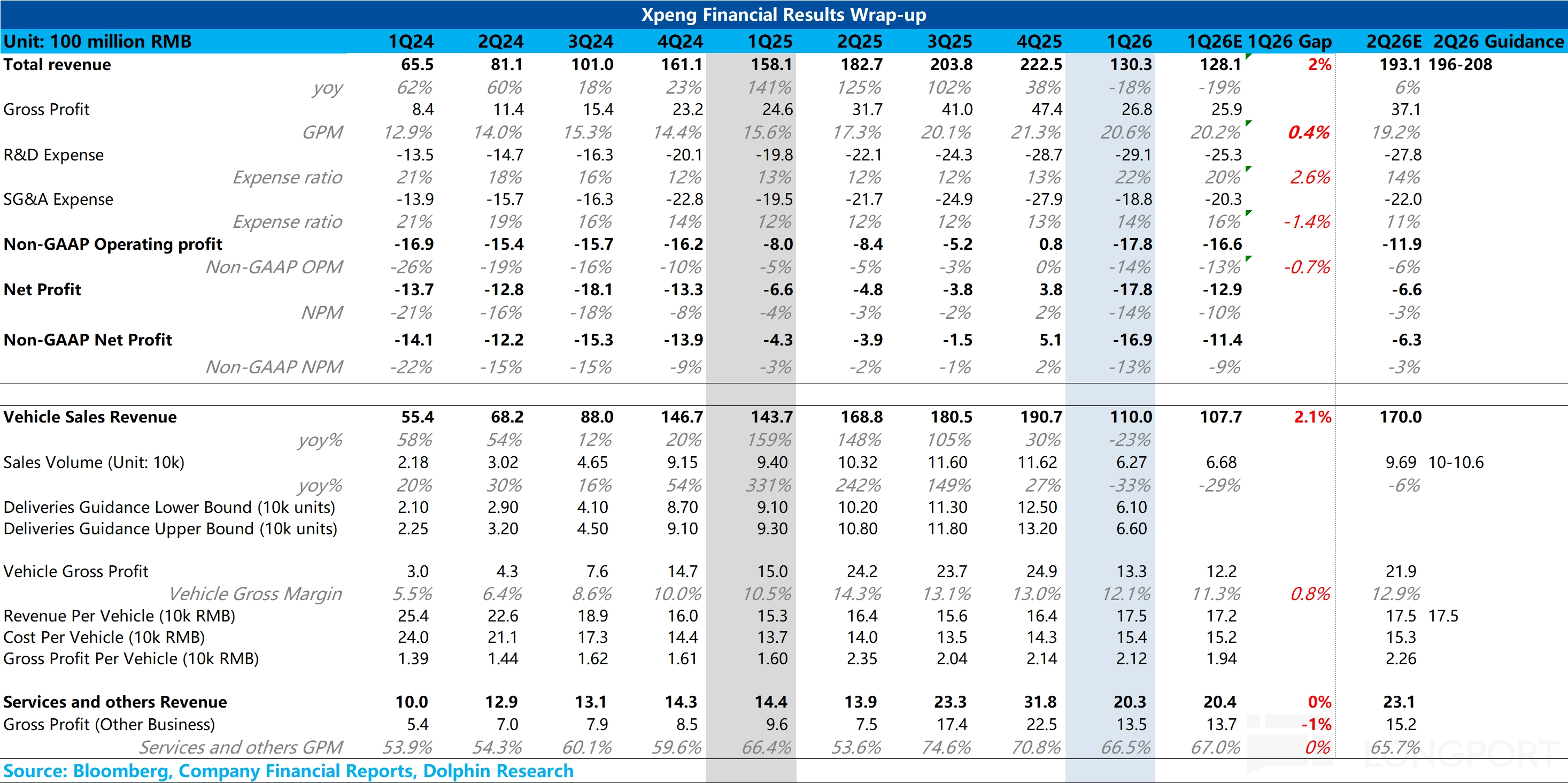
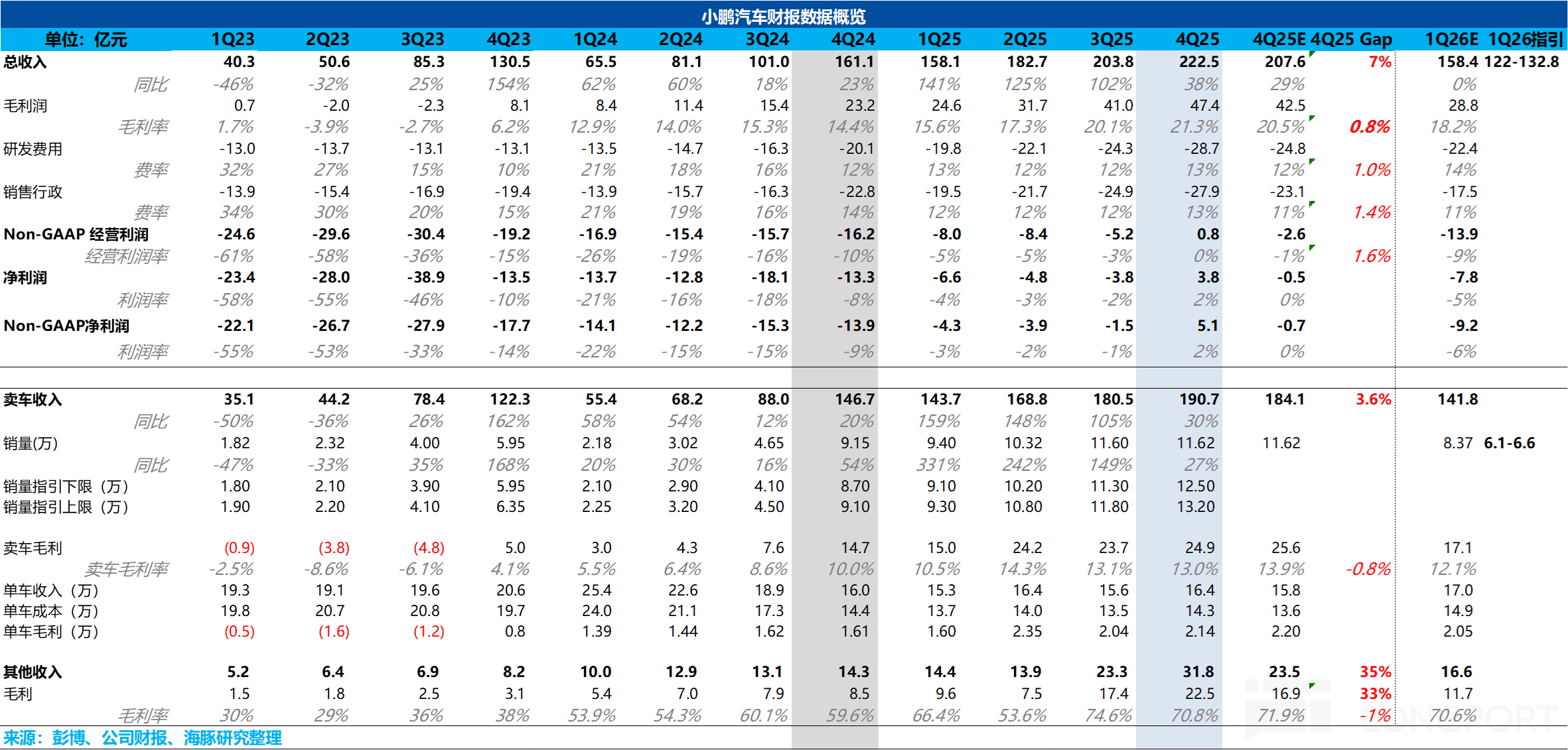
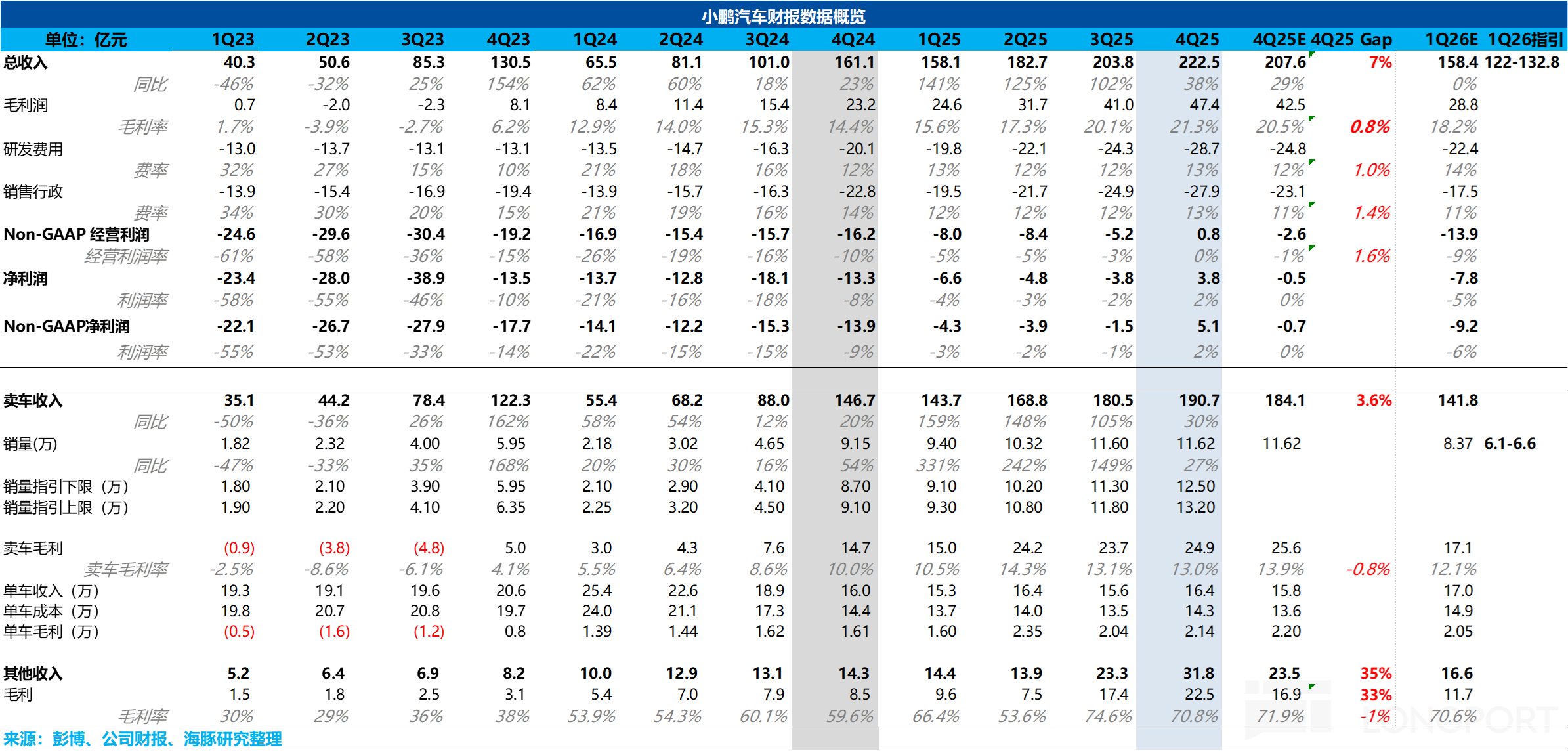
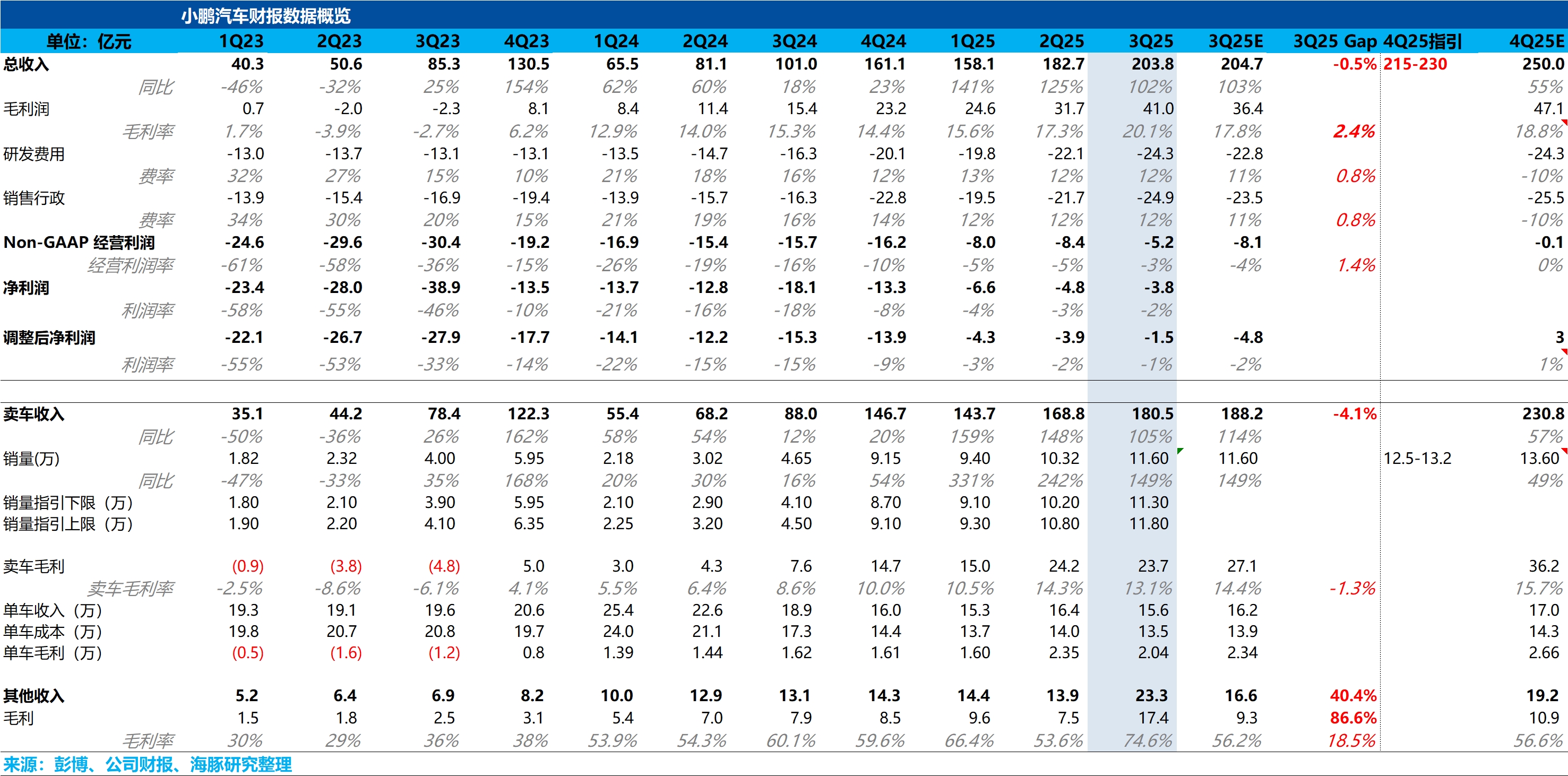
XPeng 3Q25 Quick Interpretation: The "slightly cold" car sales business meets the hot AI expectations.
Due to XPeng's recent updates on AI advancements during last week's Tech Day, the stock price has risen to a relatively high historical level of $25 driven by AI sentiment, thus the market has high expectations for XPeng's financial report.
However, in terms of actual performance, the car sales business in the third quarter fell short of expectations, and the guidance for sales and revenue in the fourth quarter is also relatively weak, both below expectations.
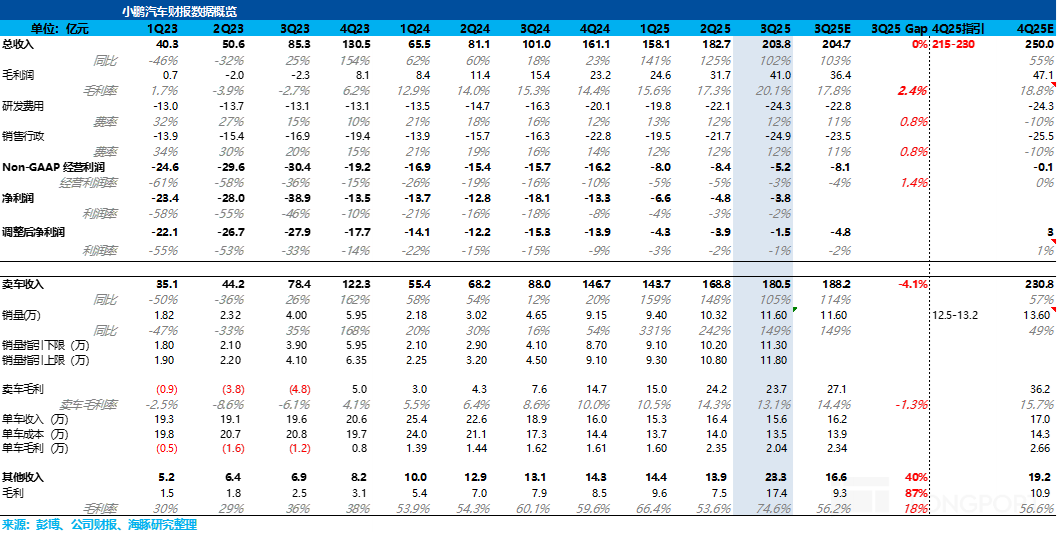
Specifically, the third-quarter revenue was 20.38 billion, missing the market expectation of 20.47 billion, mainly due to car sales revenue falling short of expectations.
This quarter's car sales revenue was 18.05 billion, significantly below the market expectation of 18.82 billion, as XPeng's car sales price did not stabilize and further declined by 8,000 yuan quarter-on-quarter to 156,000 yuan, while the market expected only a slight quarter-on-quarter decline of 2,000 yuan. Dolphin Research believes the main reason for the quarter-on-quarter decline in car sales price is the increased promotional discounts in the third quarter, and the model structure is still sinking, not following the upward route as XPeng expected.
However, this quarter's service and other business revenue was 2.33 billion, significantly higher than the market expectation of 1.66 billion, mainly due to achieving an important milestone in cooperation with Volkswagen, leading to a quarter-on-quarter increase in technical R&D service revenue from Volkswagen.
Regarding gross margin, this quarter's gross margin was 20.1%, up 2.8 percentage points quarter-on-quarter, significantly exceeding the market expectation of 17.8%. The higher-than-expected gross margin is mainly due to the service and other business gross margin rising sharply by 21 percentage points quarter-on-quarter to 74.6%, with the increase also attributed to the recognition of large and almost pure gross margin technical R&D service revenue this quarter.
However, in the car sales business, due to the quarter-on-quarter decline in car sales price, despite the scale effect bringing down the unit cost, the car sales gross margin still declined by 1.2 percentage points quarter-on-quarter to 13.1% this quarter, below the market expectation of 14.4%.
In the fourth-quarter guidance, XPeng's sales and revenue guidance are both significantly below market expectations:
① Sales guidance: Fourth-quarter sales guidance is 125,000-132,000 units, below the market expectation of 136,000 units. Given the known October sales of 42,000 units, the implied November/December sales are 41,500-45,000 units. Despite the fourth-quarter peak season and the rush to purchase before the purchase tax subsidy phase-out, it still falls short of expectations.
Dolphin Research believes this is mainly due to a. the new P7 and G7 orders falling short of expectations, with the new P7's sales dropping to 5,660 units in the second month after launch, and the G7's current monthly sales being only around 3,500 units; b. the fourth quarter may only see the launch of the high-priced X9 MPV extended-range version, which is expected to contribute little to fourth-quarter sales.
② Revenue guidance: Fourth-quarter revenue guidance is 21.5-23 billion, also below the market expectation of 25 billion. Due to the unpredictable contribution of service revenue from the Volkswagen cooperation, assuming the fourth-quarter service revenue remains flat with the third quarter, the implied fourth-quarter car sales price is 155,000 yuan, still declining quarter-on-quarter from the third quarter's 156,000 yuan, indicating XPeng's goal of an upward model structure is still encountering obstacles. $XPeng(XPEV.US) $XPENG-W(09868.HK)
- D
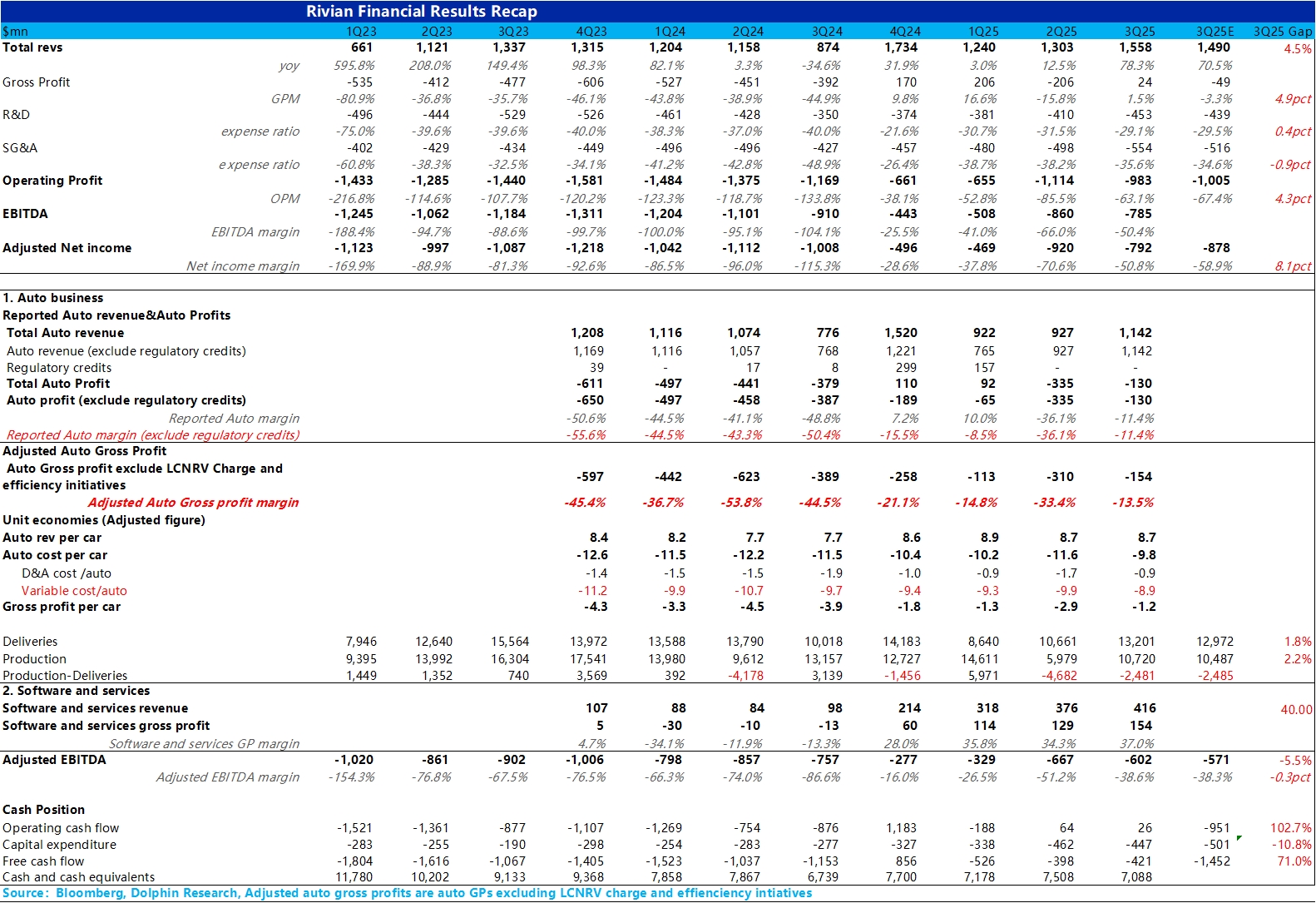
Rivian Quick Interpretation of Financial Report: Overall, Rivian delivered a decent third-quarter performance, with both revenue and net profit exceeding market expectations. Specifically:
This quarter's total revenue was $1.56 billion, higher than the market expectation of $1.49 billion. The reasons for exceeding expectations are:
① The selling price per vehicle this quarter remained flat compared to the previous quarter, without further decline. This was mainly due to Rivian benefiting from the rush effect before the phase-out of the U.S. IRA subsidies in the third quarter, which temporarily stimulated demand without any price reduction on models;
② Software and service revenue continued to perform well, reaching $416 million this quarter, an increase of $40 million compared to the previous quarter. This was primarily due to the joint venture with Volkswagen contributing the majority of service revenue.
What exceeded expectations even more was the gross margin this quarter, which turned positive again at 1.5%, improving by 16.4 percentage points from the previous quarter's low of -15.8%. The market had expected Rivian's gross margin this quarter to remain negative (-3.3%).
Despite Rivian still being impacted by the decline in pure gross margin from carbon credit revenue (with almost no carbon credit recognition in the second half) and tariffs this quarter, the market did not have a very optimistic gross margin expectation even with Rivian's good vehicle sales performance.
However, from the actual vehicle gross margin perspective, this quarter's vehicle gross margin was -13.5%, significantly improving from the previous quarter (-33.4%), mainly due to the reduction in per-unit amortized costs and some progress in Rivian's cost control.
Looking at the guidance for the full year 2025, Rivian's annual sales guidance has been narrowed from 40,000-46,000 units to 41,500-43,500 units, mainly due to the negative impact of the IRA subsidy phase-out in the fourth quarter. The market is concerned that Rivian might further lower the adjusted EBITDA expectations, but Rivian has maintained the Adjusted EBITDA guidance of -$2.0 to -$2.25 billion, which is also better than market expectations. $Rivian Automotive(RIVN.US)
- B
Overview of QuantumScape's Shareholder Structure
$QuantumScape(QS.US)QuantumScape Shareholder Structure Overview QuantumScape's equity structure is diversified, primarily composed of strategic investors, large institutional investors, company insiders, and public shareholders. Among them, strategic investors and institutional shareholders hold significant stakes, exerting substantial influence over the company. Strategy and Major Shareholders Volkswagen Group: Volkswagen is QuantumScape's most important, long-term strategic partner and largest shareholder 1...
- D
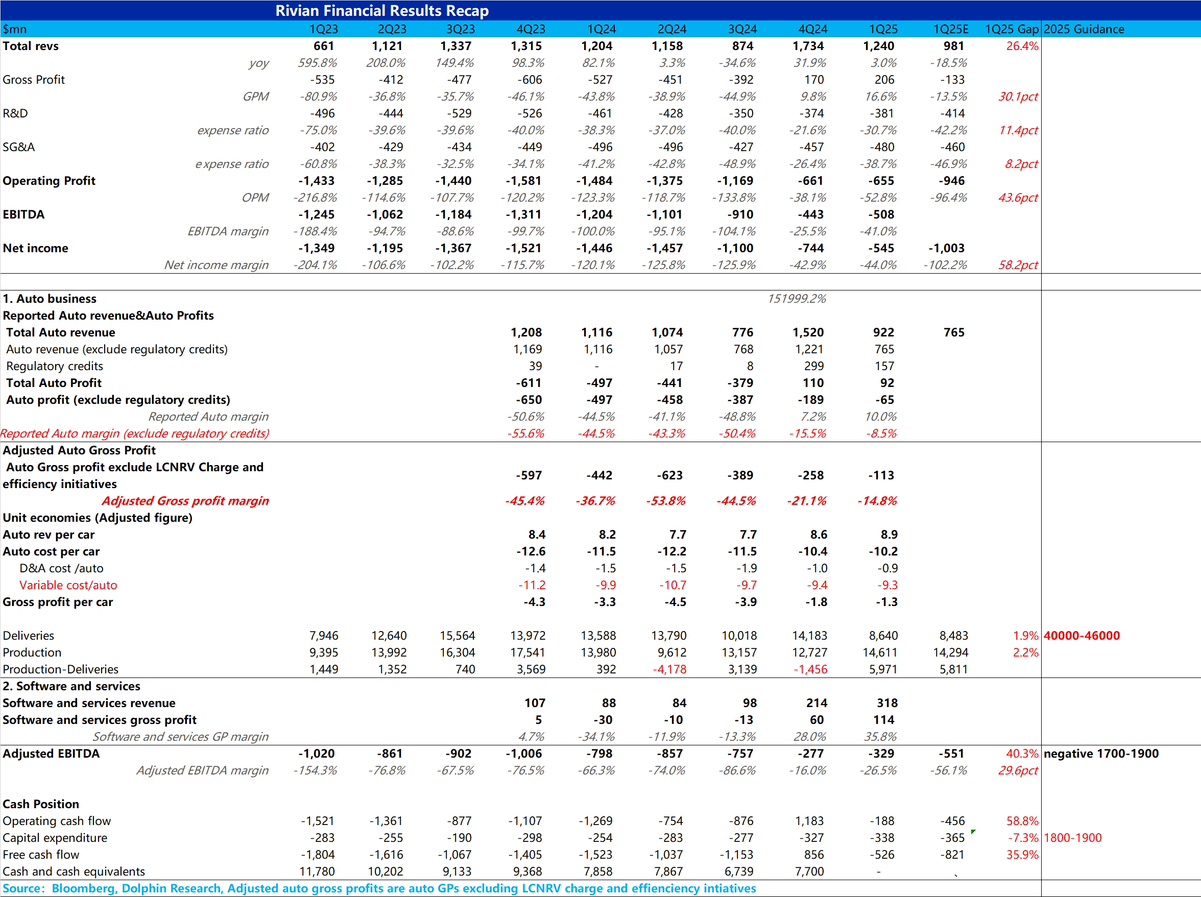
Rivian's performance this quarter was good, but the overall guidance for 2025 is terrible, and it continues to lower delivery expectations. Dolphin Research believes the market is most concerned about the 2025 outlook, especially under the impact of tariffs.
First, let's talk about this quarter's performance: Rivian exceeded market expectations in both revenue and gross margin. The market originally expected Rivian to have a negative double-digit gross margin in Q1, but surprisingly, Rivian achieved a positive double-digit margin. Dolphin Research believes this is mainly due to:
① The actual gross margin from car sales continues to improve, although it remains in negative double digits, there is clear marginal improvement.
② The contribution from the Volkswagen partnership to software and service businesses, with the software business gross margin reaching 36%! Essentially, Volkswagen's technology service fees are pure profit for Rivian.
However, the key lies in the guidance. With the R2 not yet launched, 2025 will be a tough year for Rivian with few upward catalysts for its stock price. Management's guidance for Rivian in 2025 is particularly crucial, especially under the current tariff impact.
For the overall delivery guidance, management has further lowered it by 5,000 units to 40,000-46,000 units (2024 deliveries are still at 52,000 units). The tariff impact remains significant for Rivian:
① Increased procurement costs: Although Rivian's supply chain appears to be in the U.S., its most critical component—batteries—are sourced from China's Gotion High-Tech (LFP batteries) and South Korea's Samsung. Higher tariffs will increase Rivian's procurement costs. The quantified impact on COGS will depend on management's comments during the earnings call.
② Increased Capex investment: Like Tesla, the tariff impact has led Rivian to raise capital expenditures by another $100 million, accelerating cash burn.
For more details, stay tuned for Dolphin Research's full analysis.$Rivian Automotive(RIVN.US)
- G
$Rivian Automotive(RIVN.US) (-1.5% AH) posted better than expected 1Q results, and importantly showed a second consecutive quarter of positive gross profit. Offsetting that RIVN reduced its FY’25 delivery outlook to 40K-46K, down from its prior forecast of 46K-51K, blaming uncertainty caused by Trump’s tariff policy. WS FY’25 est was 50.2K. Rivian delivered 51,579 vehicles in 2024.
FY’25: - Still sees Adj Ebitda loss -$1.7B to -$1.9B, WS estimate -$1.92 billion- Now sees CapExp $1.8B to $1.9B, saw $1.6B to $1.7B, WS estimate $1.64B - Still sees modest positive gross profit for FY’25, includes $300M ZEV credits1Q RESULTS:- Rev $1.24B vs $981M est - Adj Ebitda -$329M loss, vs -$551M est - R&D exp $381M vs $414M est - SG&A exp $480M vs $460M est- Free cash flow -$526M vs WS est -$821MCOMMENTARY AND CONTEXT- 1Q gross profit of $206 million, its second consecutive quarter of positive gross profit, included $157M sales of ZEV credits - Second consecutive gross profit quarter unlocked an $1B investment from Volkswagen, expected by June 30, 2025- Rivian has continued to make good progress on the development of R2 $45K SUV which will significantly expand Rivian TAM; R2 production remains on track for 2026/1H- Estimates tariffs will add $3K COGS per vehicle. Has 100 percent of US vehicle manufacturing from the US or USMCA-qualified areasWe could see RIVN move higher next few weeks despite production cut - D
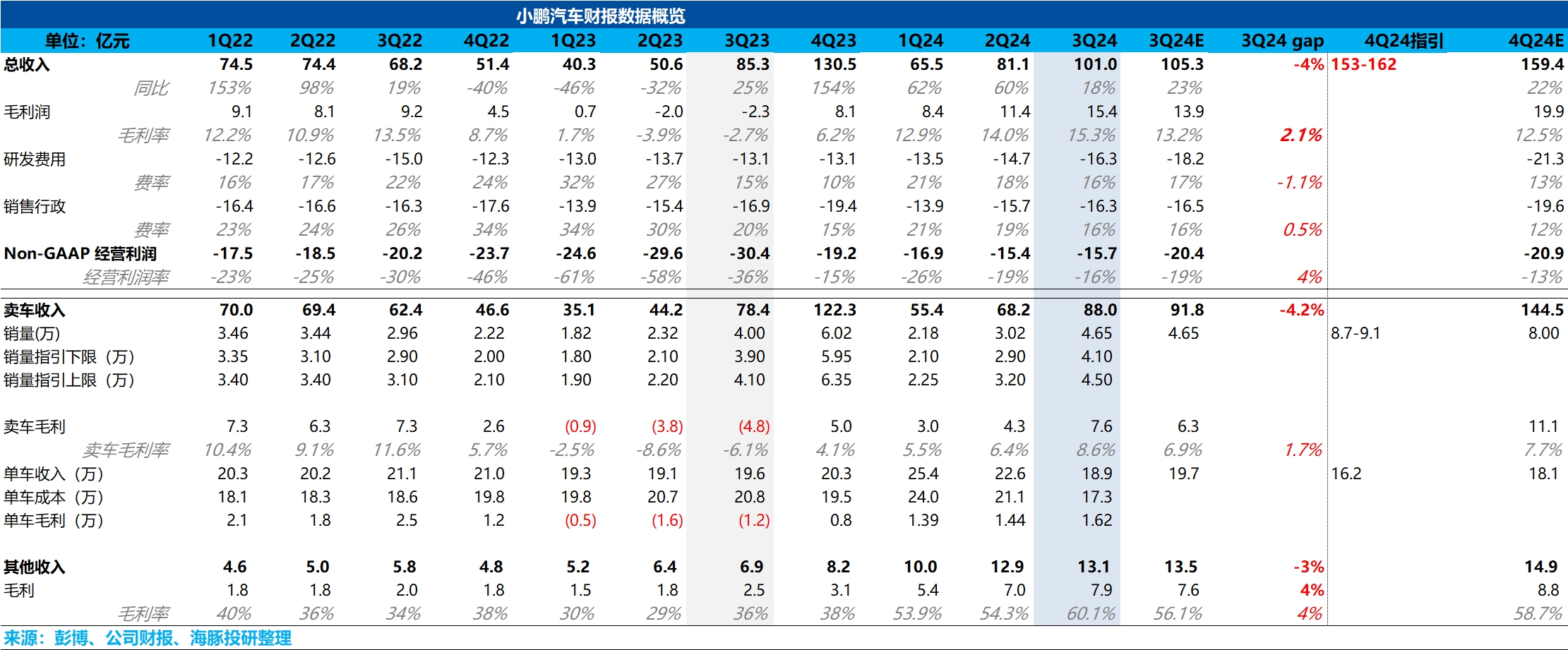
$XPeng(XPEV.US) Quick Interpretation: In one word, not bad. The most crucial info—the company's gross margin rose from 14% in Q2 to 15.3%, while the market originally thought the delivery of the cheaper new model M03 would hardly boost the auto business's gross margin.
The key to this beat lies in the gross margin exceeding market expectations. Breaking it down by segment:
1) Auto business: Although the lower-priced, lower-margin Mona M03 accounted for a higher proportion, the cost reduction this quarter was even greater. On one hand, the P5 impairment (discontinued in Q2) dragged down Q2 auto gross margin by ~3.2 percentage points, but the impairment impact in Q3 is expected to be minimal. On the other hand, it’s likely due to the higher proportion of overseas models this quarter. As a result, while the M03 did drag the average selling price back below 190k, auto gross margin rose by 8.6%, a decent rebound.
2) Other businesses: Besides the Volkswagen tech licensing fees based on the G9 platform, Q3 also saw the recognition of EEA architecture tech licensing fees. Higher-margin tech R&D service revenue further drove the gross margin beat.
For next quarter’s guidance, with current weekly sales known, the max quarterly delivery guidance of 91k units is reasonable. Overall, the auto gross margin improvement is the real positive here.
- Y
$XPENG-W(09868.HK)$LI AUTO-W(02015.HK)$NIO-SW(09866.HK)
There weren't many exports to the other side to begin with, but the bigger fear is that other markets might follow suit.
The Biden administration is concerned about Chinese companies collecting data, posing national security risks.
The proposed ban includes critical communication and autonomous driving system software or hardware.
There is a 30-day public comment period before the rules are finalized.
Reuters Washington, September 21 - Two sources told Reuters that, citing national security concerns, the U.S. Department of Commerce is expected to propose a ban on the use of Chinese software and hardware in connected and autonomous vehicles on U.S. roads as early as Monday.
The Biden administration has expressed serious concerns about Chinese companies collecting data on American drivers and infrastructure, as well as the potential for foreign manipulation of vehicles connected to the internet and navigation systems.
The two sources said the proposed regulations would prohibit the import and sale of vehicles equipped with critical communication or autonomous driving system software or hardware from China. Since the decision has not been publicly disclosed, the sources requested anonymity.
This move marks a significant escalation in U.S. restrictions on Chinese automobiles, software, and components. Last week, the Biden administration finalized a substantial increase in tariffs on Chinese imports, including a 100% tariff on electric vehicles and new tariffs on EV batteries and critical minerals.
In February, President Biden ordered an investigation into whether imported Chinese vehicles pose national security risks to connected vehicle technology and whether the use of such software and hardware should be banned in all vehicles on U.S. roads.
In November last year, bipartisan U.S. lawmakers raised concerns about Chinese companies collecting and processing sensitive data during autonomous vehicle testing in the U.S.
The sources said the bans would be expanded to include other foreign adversaries of the U.S., such as Russia.
An industry group representing major automakers like General Motors (GM.N), Toyota (7203.T), Volkswagen (VOWG_p.DE), and Hyundai (005380.KS) warned that changing hardware and software would take time.
These automakers noted that their systems "undergo extensive pre-production engineering, testing, and validation processes and generally cannot be easily swapped with systems or components from other suppliers."
The Department of Commerce declined to comment on Saturday.